Body Contouring Success Stories with Liposuction Michigan
Body contouring tends to be discussed in broad, glossy terms, but the real story is usually more specific. It lives in the details: the waistband that no longer digs into the same place, the jacket that closes smoothly, the quiet relief of seeing your shape match the work you have already put into your health. When people search for Liposuction Michigan, they are rarely chasing some abstract ideal. More often, they want resolution. They want a stubborn area to stop dictating how they dress, train, or feel in their own skin.
That distinction matters. Liposuction is not a substitute for weight loss, and it does not solve every contour issue. What it can do, in the right patient and with a realistic plan, is refine proportions in a way that diet and exercise often cannot. Some people store fat predictably in the lower abdomen, flanks, upper arms, under the chin, or outer thighs no matter how disciplined they are. Others see dramatic improvement in most of their body after pregnancy or major weight loss, only to be left with a handful of resistant pockets that make clothing fit unevenly. Those are the stories behind many successful body contouring outcomes.
What “success” actually looks like
The word success can be misleading in aesthetic medicine because it sounds absolute. In practice, success is usually measured by alignment between expectation, anatomy, and execution. A strong outcome is not always the most dramatic one. Sometimes the best result is modest on paper and significant in daily life.
A patient with a slim frame and a persistent lower abdominal bulge may only have a relatively small volume removed, yet the visual change can be substantial because it restores balance. Another patient may treat flanks and upper abdomen at the same time, creating a smoother transition through the waist rather than simply making one area smaller. That kind of judgment often separates average cosmetic work from thoughtful body contouring.
In Michigan practices, where surgeons see a wide range of lifestyles and body types, success stories often share a few common elements. The patient had a stable weight. Skin quality was carefully assessed before surgery. The treatment plan focused on contour rather than scale weight. Recovery expectations were discussed plainly, including swelling, compression garments, and the need to be patient for final results. None of that is glamorous, but it is how good outcomes are built.
The patient who did everything “right” and still felt stuck
One of the most common body contouring narratives is the patient who already exercises consistently and eats well. These are not people looking for an easier path around healthy habits. They usually feel frustrated because they have done the work and reached a plateau that is highly localized.
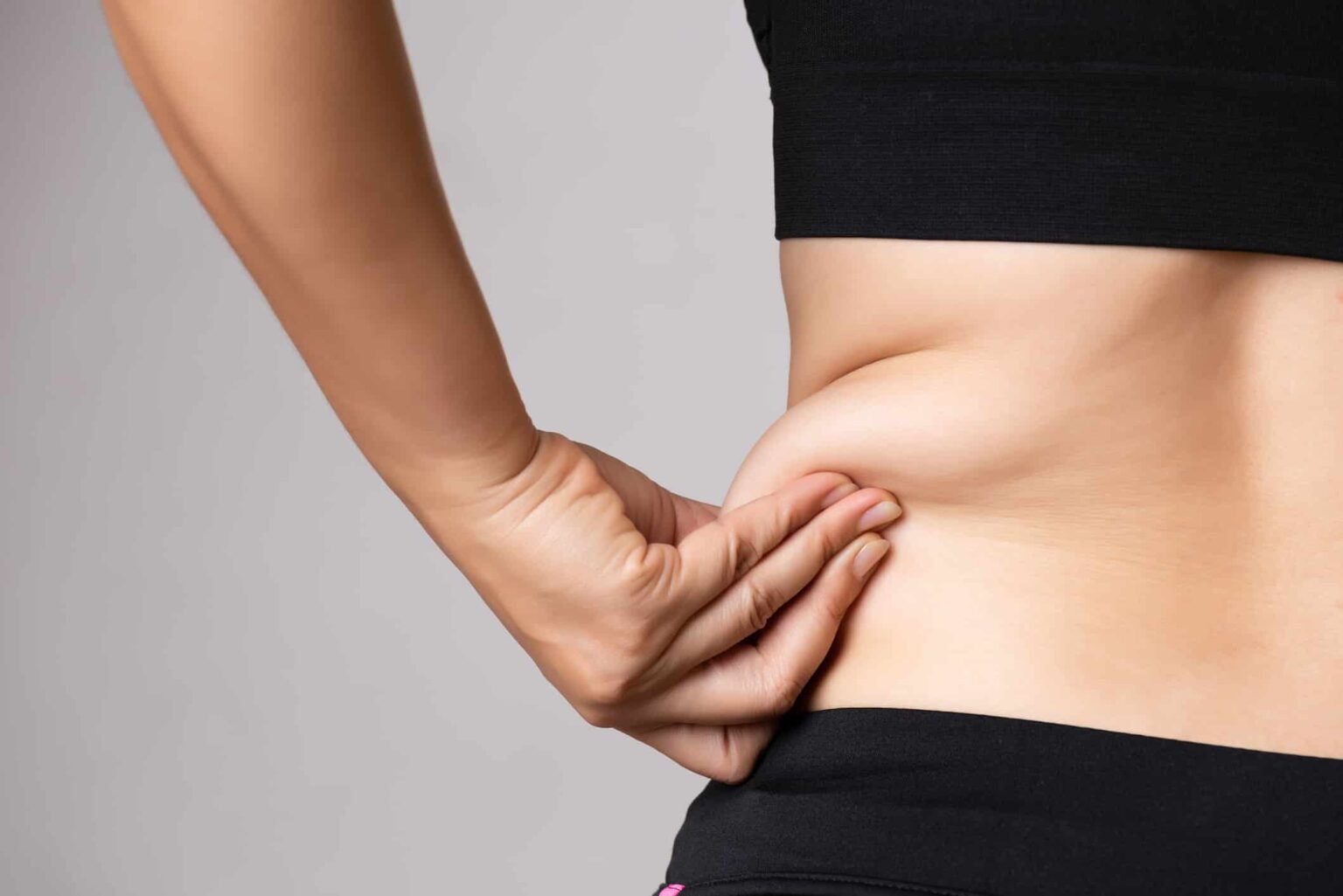
A typical example is a woman in her late thirties or forties who returned to a healthy routine after pregnancy. Her weight may be close to what it was before children, but the lower abdomen and flanks have changed. She can strengthen her core, improve her conditioning, and maintain her weight for years, yet the silhouette remains different. For this patient, liposuction can make the waist look more defined and the lower abdomen less heavy in clothing. If skin elasticity is still good, that improvement can be striking without looking overdone.
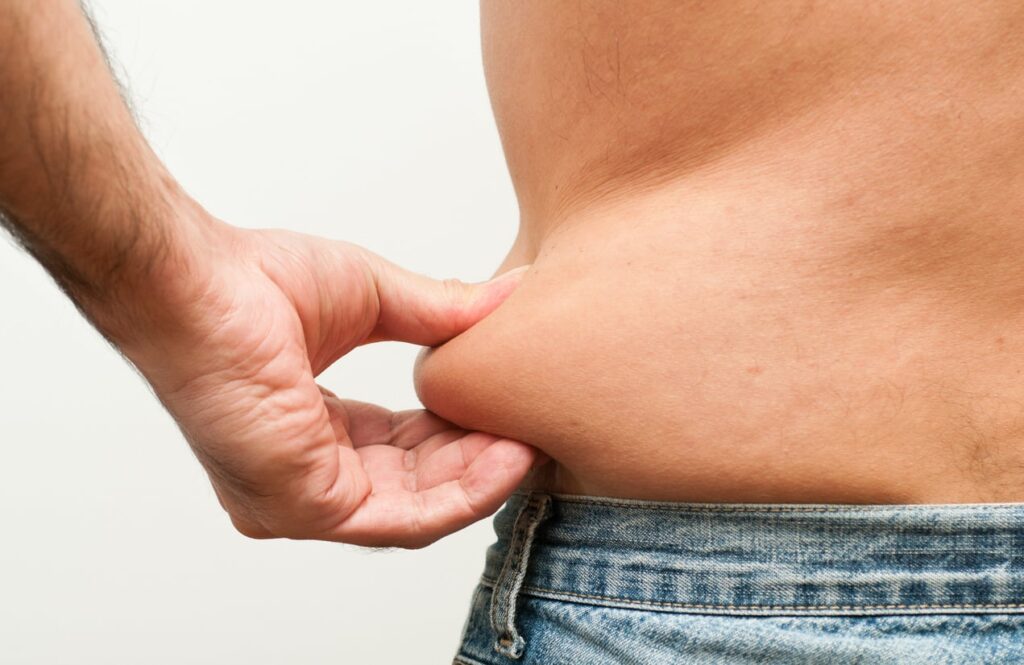
Another version of this story shows up in men who stay active but carry fullness in the abdomen and love handle area. Even modest flank reduction can change how a shirt falls on the torso. The goal is rarely to create an unnaturally etched look. More often, it is to remove the soft width that blunts the waist and makes a fit body look less athletic than it is.
These success stories matter because they reset the conversation. The patient was not failing. The body was simply holding onto fat in a patterned way that training alone did not erase.
Why consultation quality changes the outcome
When someone looks into Liposuction Michigan, the consultation is where the most important decisions are made. This is where success is protected or undermined. A careful surgeon does more than name treatment areas. They examine skin recoil, fat distribution, previous surgeries, scar patterns, asymmetries, muscle tone, and the patient’s own language about what bothers them.
That last part is underrated. If a patient says, “I hate my stomach,” they may actually be focused on a lower abdominal pooch, or on flank fullness, or on skin laxity above the navel. Those are very different problems. Liposuction works well on excess fat. It does not tighten significant loose skin, and it does not repair separated abdominal muscles. When the wrong tool is used for the wrong problem, disappointment follows even if the surgery itself is technically sound.
The best consultations often involve a moment of recalibration. A patient may come in asking for liposuction alone and learn that a tummy tuck would better address their goals because skin and muscle laxity are the dominant issues. Another may assume they need extensive treatment and find out that a small, targeted area can produce the change they want. Both are forms of success because they prevent a mismatch between procedure and expectation.
A few stories that reflect real-world outcomes
Without relying on exaggerated before-and-after rhetoric, it helps to look at the kinds of changes patients often describe once healing is underway.
One patient, a school administrator in her forties, spent years dressing around her midsection. She was not trying to become smaller overall. She wanted slacks and sheath dresses to hang cleanly without the lower abdomen dominating the fit. After focused abdominal and flank liposuction, the first thing she noticed was not the mirror. It was that her clothes stopped pulling unevenly at the waist. That practical result often arrives before the emotional one, because swelling can blur early visual changes. Still, everyday comfort with clothing is one of the most common markers of satisfaction.
A younger patient in his early thirties may present with a stronger frame and a family tendency to carry fullness under the chin. He can be lean elsewhere and still feel Liposuction Michigan that photographs flatten his jawline. Submental liposuction, when indicated, can sharpen the angle between chin and neck in a way that reads as refreshed rather than “done.” People around him may notice he looks fitter without identifying why. That subtlety is michellehardawaymd.com Liposuction Michigan often exactly the point.
Then there is the post-weight-loss patient, whose story requires more nuance. Liposuction can help refine residual pockets in the chest, upper abdomen, flanks, or thighs, but this group often also has skin laxity. The strongest outcomes come from honesty. Sometimes liposuction is part of the answer, not the whole answer. Patients who understand that tend to report higher satisfaction because the treatment plan respects the body they actually have, not the body they wish they had ten years earlier.
The Michigan factor: climate, lifestyle, and timing
Location does shape the experience more than many people expect. In Michigan, the seasons can influence both scheduling and recovery preferences. Some patients choose cooler months because compression garments feel more tolerable and looser clothing layers make the early healing phase easier to navigate discreetly. Others time surgery around work calendars, school schedules, or the quieter parts of family life.
Lifestyle matters too. Many Michigan patients are balancing demanding routines, commuting, family obligations, and seasonal activities that involve lifting, travel, or sports. Good planning reduces stress during recovery. A person who regularly shovels snow, lifts toddlers, or spends long hours on their feet needs clear guidance about downtime and restrictions. Recovery is not just about healing tissue. It is about setting up daily life so that healing is not constantly interrupted.
That is one reason the phrase Liposuction Michigan often leads people toward providers who understand not only the surgery, but the rhythm of local life. Practical advice, such as when to return to an office, when to resume workouts, or how to manage swelling during a busy week, tends to make the experience smoother and the results easier to appreciate.
Who tends to do well with liposuction
There is no single ideal patient, but certain traits consistently support a better outcome. These are less about age and more about anatomy, health, and mindset.
- Stable weight for several months or longer
- Localized fat deposits that resist lifestyle efforts
- Good to moderate skin elasticity in the treatment area
- Realistic expectations about refinement, not total reinvention
- Willingness to follow recovery instructions closely
People sometimes focus too heavily on age, but skin quality and general health often matter more. A healthy forty-eight-year-old with strong skin recoil may be a better candidate than a younger person with significant laxity or unstable weight. The most satisfied patients also tend to be the ones who understand that swelling resolves gradually. They know the contour improves in stages, not overnight.
The emotional side of body contouring, without the clichés
Aesthetic surgery can be written about too casually or too sentimentally. The truth sits somewhere in the middle. Most patients are not transformed into new people. They are relieved. Relief is quieter than transformation, but in my experience it is also more believable and more durable.
Relief looks like someone no longer standing sideways in every fitting room. It looks like a patient taking family photos without angling a bag in front of their midsection. It looks like a man buying tailored clothes because he finally likes how they sit across his waist. These are not trivial gains. They can shift posture, confidence, and ease in daily interactions.
At the same time, surgery has limits. Liposuction will not fix a difficult season of life, repair body image rooted in deeper distress, or create perfection. Experienced surgeons and thoughtful patients both do better when that is acknowledged up front. The happiest success stories are usually grounded ones. The patient wanted a specific change, understood the trade-offs, and saw that change arrive over the months that followed.
Recovery is where patience earns its keep
Many people underestimate the mental side of recovery. They know they will have soreness, bruising, swelling, and compression garments. What catches them off guard is that results can look uneven or underwhelming early on. That does not mean anything went wrong. It means healing is in progress.
Swelling can mask contour for weeks and, in some areas, for a few months. One side may settle faster than the other. The treated tissue can feel firm before it softens. Clothes may fit better before the body looks “finished” in the mirror. Patients who are prepared for that arc handle recovery better.
A few practical habits make the process easier:
- Walk gently and regularly as advised, because light movement supports circulation
- Wear compression exactly as instructed, even when it feels tedious
- Keep expectations steady for the first several weeks, since swelling distorts judgment
- Protect your schedule from heavy lifting and intense workouts too soon
- Stay in touch with your surgical team if something feels off rather than guessing
Those small acts sound ordinary, but they often make the difference between a smooth recovery and an anxious one. Good aftercare is not glamorous. It is disciplined, repetitive, and worth it.
Areas that commonly produce high satisfaction
Some treatment zones lend themselves especially well to visible improvement because they influence proportion so strongly. The flanks are a prime example. Even a moderate reduction there can narrow the waistline visually and improve the transition from ribcage to hip. The lower abdomen is another, particularly when there is fullness without major skin excess.
Under the chin is a smaller area, but it can have an outsized effect on facial profile. The upper arms can also be rewarding in the right patient, especially when the concern is fullness rather than loose skin. Thigh contouring is a bit more nuanced. Inner and outer thigh treatment can work well, but the plan has to account for skin quality, friction, and the way leg proportions relate to the hips and waist.
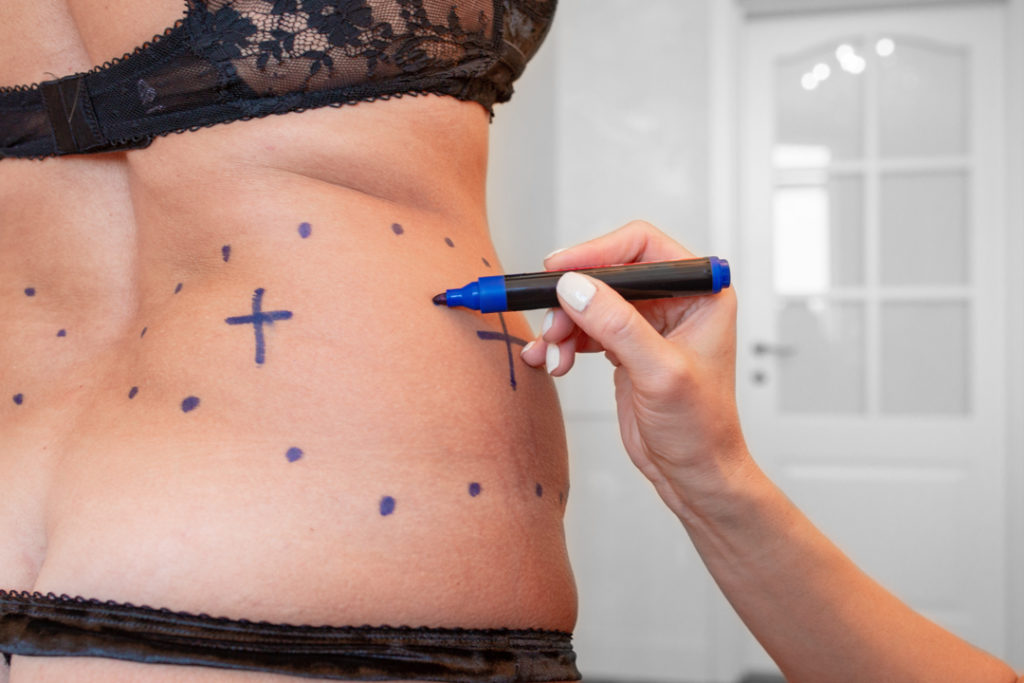
Back and bra-line areas are often overlooked in online discussions, yet they can be highly satisfying for patients who feel that fitted tops catch or bunch in those regions. This is where individualized contouring matters. The body is read as a whole. Reducing one area in isolation without respecting its neighboring transitions can leave a result that is smaller, but not necessarily more harmonious.
Trade-offs that deserve honest discussion
Every body contouring success story contains some level of compromise. The key is making those compromises knowingly. Liposuction leaves swelling that takes time to resolve. Tiny incision sites, while generally discreet, are still part of the process. Skin may tighten nicely, or only partially, depending on age, quality, and treatment area. Temporary numbness is common. Perfect symmetry is not a realistic promise because human bodies are not naturally symmetric to begin with.
There is also the question of how aggressive to be. Some patients want the maximum amount removed. That instinct is understandable, but more is not always better. Over-resection can create irregularities, unnatural hollows, or transitions that look sharp rather than smooth. Skilled surgeons think in terms of sculpting, not extraction totals. The best result is one that fits the rest of the body and still looks plausible years later.
Patients who understand these trade-offs usually describe their outcomes in mature, grounded language. They do not say everything is flawless. They say the area no longer dominates their attention. They feel proportionate. Shopping is easier. Their body looks more like their effort.
Choosing a surgeon with an eye for contour, not just volume
Technique matters, of course, but so does aesthetic judgment. When evaluating providers for Liposuction Michigan, patients often focus on credentials, which are essential, yet they should also pay attention to whether the surgeon speaks clearly about shape, proportion, skin behavior, and limitations.
A strong consultation feels specific. The surgeon explains what can improve, what may improve only somewhat, and what requires a different procedure. They do not talk as if every concern has the same answer. They also discuss recovery in concrete terms, including work restrictions, activity progression, compression, and the timeline for final results.
The best body contouring results often come from restraint paired with precision. That is not always what marketing highlights, but it is what patients appreciate later. A tasteful result ages better, blends better with weight fluctuations, and attracts less attention to the fact that a procedure happened at all.
When liposuction is part of a bigger plan
Some of the strongest outcomes occur when liposuction is combined thoughtfully with other procedures, or when it is intentionally postponed until the right moment. A patient considering pregnancy, for example, may choose to wait. Someone with significant abdominal skin laxity may be better served by surgery that tightens muscle and removes excess skin rather than relying on liposuction alone. Another patient may pair small-volume liposuction with fat transfer elsewhere to improve balance.
This is where success stories become less about the procedure name and more about strategic planning. Good surgeons do not force every body into the same template. They build a plan around the patient’s priorities, tissue characteristics, and timeline. Sometimes that means saying yes to liposuction. Sometimes it means saying not yet. Sometimes it means saying liposuction plus something else.
Patients often remember that honesty. It builds trust, and trust tends to improve every phase of the process, from decision-making to recovery.
What people remember a year later
A year after surgery, most patients are not thinking about operating rooms or compression garments. They are thinking about the ordinary parts of life that feel easier. The black dress fits without tugging. The tailored shirt looks clean through the midsection. The vacation photos no longer trigger self-critique. The gym routine feels more rewarding because the body’s outline finally reflects it.
That is the heart of most body contouring success stories. Not spectacle, not fantasy, just congruence. The outside looks more like the person feels on the inside and more like the effort they have already invested in their health.
For anyone researching Liposuction Michigan, that is a useful frame to keep in mind. The procedure tends to serve people best when they are not asking it to do everything. When they ask it to solve a specific contour problem, choose carefully, heal patiently, and judge results over months rather than days, the stories are often very good. Not because life changes all at once, but because one persistent point of friction finally goes quiet.
Aesthetic Plastic Surgery & Laser Center, Michelle Hardaway M.D.
27920 Orchard Lake Rd, Farmington Hills, MI 48334, United States
+1 248-221-1957
FAQ About Liposuction Michigan
Is 55 too old for liposuction?
Age 55 alone does not determine suitability. A surgeon evaluates overall health, skin quality, healing risks, and realistic goals. A personal consultation is needed to assess candidacy and discuss alternatives.
What happens 10 years after liposuction?
Contour improvements can last, especially with stable weight. Aging, pregnancy, and weight changes can alter the appearance over time. Results vary, and liposuction does not prevent future body changes.
Can lipo get rid of an apron belly?
Liposuction reduces localized fat but does not remove hanging excess skin. An apron belly may require assessment for a skin-removal procedure instead of, or alongside, fat removal. A qualified plastic surgeon can explain appropriate options and their risks.