Is Liposuction in Michigan Right for You?
Liposuction has a way of being talked about in extremes. Some people treat it like a shortcut. Others dismiss it as vanity. Neither view is especially useful if you are actually trying to decide whether the procedure makes sense for your body, your goals, and your stage of life.
A better starting point is this: liposuction is a body contouring procedure, not a weight loss plan. It can be an excellent option for the right person, and a frustrating one for the wrong person. The difference usually comes down to expectations, skin quality, overall health, and whether the areas that bother you are truly resistant to diet and exercise.
If you are researching Liposuction Michigan options, you are probably already past the curiosity stage. You may be looking in the mirror and seeing the same pockets of fullness despite consistent workouts. You may have lost weight and still feel that your shape does not reflect your effort. Or you may be recovering from pregnancy, approaching midlife, or simply noticing that fat distribution has changed in ways that do not respond the way it once did.
Those are all common reasons people start the conversation. The more important question is whether surgery will solve the specific problem you have.
What liposuction actually does
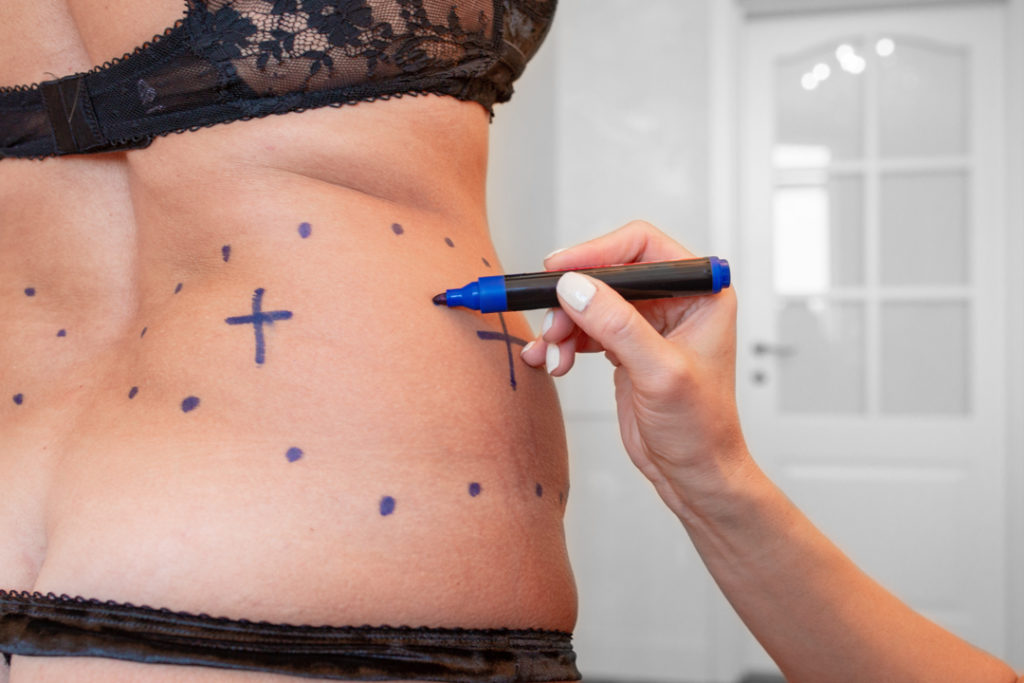
Liposuction removes localized fat deposits to improve contour. That sounds simple, but the word “contour” matters. A skilled surgeon is not just subtracting volume. They are judging proportion, balance, smoothness, and how your skin is likely to redrape over the area afterward.
Common treatment areas include the abdomen, flanks, thighs, hips, upper arms, back, under the chin, and sometimes the chest in men. In many cases, patients are not asking for dramatic transformation. They want clothing to fit better, a waistline to look cleaner, or the transition from one body area to another to feel less bulky.
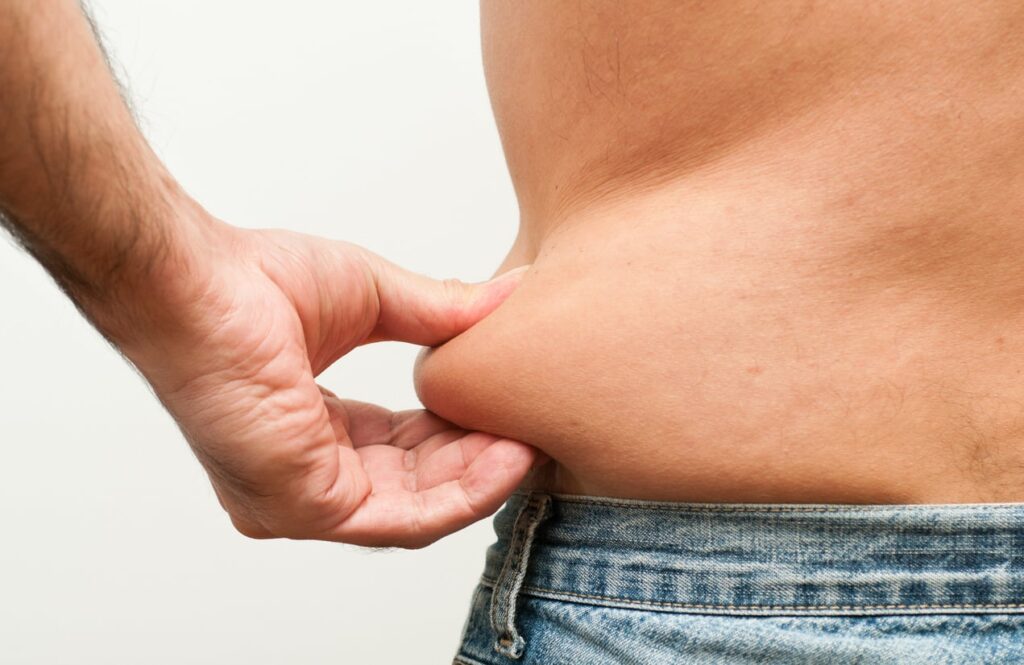
That nuance matters because liposuction works best when there is a clear, pinchable area of excess fat under skin that still has enough elasticity to contract after the fat is removed. It works less well when the issue is loose skin, muscle separation, or generalized weight gain throughout the body.
A patient can lose ten, twenty, or forty pounds and still have stubborn fat around the lower abdomen or outer thighs. That is often where liposuction shines. On the other hand, someone who wants the scale to drop significantly may be disappointed, because the procedure is not designed to produce major weight loss. Many people are surprised to learn that they may only have a few pounds removed, yet still see a meaningful visual change.
The difference between a good candidate and a hopeful one
This is where an honest consultation matters. Good candidates are often closer to their goal weight than they think they need to be. They usually have stable habits, realistic expectations, and a specific contour issue rather than a vague wish to “look thinner everywhere.”
Age alone does not decide candidacy. I have seen healthy patients in their thirties, forties, fifties, and sixties do very well. What matters more is tissue quality and overall health. Skin that springs back tends to respond better than skin that has been significantly stretched by major weight fluctuations, pregnancy, or time. That does not mean older patients cannot benefit. It means the plan may need to be more tailored, and in some cases another procedure may address the concern better.
You may be a strong candidate if most of the following are true:
- Your weight has been relatively stable for several months.
- You have specific areas of stubborn fat that have not improved with exercise or nutrition changes.
- Your skin still has a reasonable degree of elasticity.
- You do not expect liposuction to fix loose skin, cellulite, or deep structural issues.
- You are healthy enough for surgery and recovery.
People sometimes arrive at a consult convinced they need liposuction, when the better answer is a tummy tuck, skin tightening procedure, or no surgery at all. A separated abdominal wall after pregnancy, for example, can create a protruding abdomen that fat removal alone will not correct. Similarly, someone with very loose upper arm skin may end up disappointed if they choose liposuction when what they really need is skin excision.
That is not a sales problem. It is a diagnosis problem.
Why Michigan patients often ask slightly different questions
Anyone searching for Liposuction Michigan providers is usually balancing the same factors patients consider anywhere else, but there are a few practical realities that come up often in this region.
Seasonality affects timing more than people expect. Recovery garments are easier to hide under layers in the fall, winter, and early spring. For many professionals, scheduling surgery during colder months also feels more manageable because social calendars and vacation plans are lighter. By contrast, people who wait until late May hoping to be fully recovered for midsummer events often underestimate swelling timelines.
Michigan’s climate also influences activity patterns during recovery. If you are used to brisk walks outdoors, the season matters. Light walking is encouraged after surgery, but icy sidewalks are not ideal when you are sore and moving carefully. If your recovery falls during winter, it helps to plan indoor walking options and think ahead about support at home.
There is also a practical consideration around travel. Some patients in smaller communities drive into Detroit, Grand Rapids, Ann Arbor, Lansing, or other metro areas for surgery. That can be reasonable, but long car rides right after a procedure are uncomfortable. It is worth discussing whether you will need a nearby hotel for the first night, who will drive you, and when you will feel comfortable traveling back for follow-up appointments.
These details do not determine whether liposuction is right for you, but they do affect how smooth the experience feels.
What results tend to look like in real life
The internet has trained people to expect immediate reveal moments. Liposuction rarely behaves that way.
Early after surgery, swelling can obscure the improvement you are waiting to see. Some areas look better quickly, while others stay firm or puffy for weeks. The final contour often reveals itself gradually over several months. This is especially true in the lower abdomen, flanks, inner thighs, and under the chin, where tissues can hold onto swelling longer than patients expect.
A realistic timeline usually looks something like this: in the first several days, you focus on soreness, fluid drainage if your surgeon uses that approach, and basic mobility. Over the next few weeks, bruising fades and you begin to feel more normal in your day-to-day routine. By a month or two, many patients can see a meaningful change in shape, but not necessarily the final one. Refinement continues after that.
The people happiest with their results are usually those who understand that healing is not linear. One side may settle faster than the other. Compression garments may feel essential one week and irritating the next. Weight can fluctuate from retained fluid. None of that automatically means something is wrong.
It also helps to know what liposuction does not reliably improve. It can reduce fullness, but it does not magically smooth cellulite or tighten severely stretched skin. If someone pinches and pulls the skin on their lower abdomen and it falls back slowly, that tissue may not contract enough to deliver the crisp look they are imagining.
Technique matters, but judgment matters more
Patients often come in asking about specific technologies. They have read about tumescent liposuction, power-assisted liposuction, ultrasound-assisted techniques, laser-assisted systems, and branded devices. Those differences can matter, but they matter less than many marketing pages suggest.
The surgeon’s judgment about how much to remove, where to leave support, and how to create smooth transitions is usually more important than the label on the equipment. Over-resection can create hollows and irregularities. Under-resection can leave the patient feeling unchanged. Treating one area aggressively while ignoring the surrounding anatomy can make proportions look awkward.
For example, contouring the abdomen without considering the flanks can leave the midsection looking incomplete. Treating the outer thighs in isolation without understanding hip shape can flatten an area that should remain softly curved. Refinement is not just about removing fat. It is about preserving harmony.
That is one reason consultation photos and before-and-after galleries can be useful when viewed critically. You are not only looking for dramatic changes. You are looking for consistency, smoothness, and bodies that still look natural.
Questions worth asking at a consultation
A productive consultation should feel more like problem-solving than persuasion. You want a surgeon who can explain what they see, what they recommend, what they would avoid, and why.
Here are a few questions that tend to produce useful answers:
- Am I a good candidate for liposuction alone, or would another procedure address my concern better?
- How much improvement is realistic for my body type and skin quality?
- Where do you expect swelling to last the longest in my case?
- What will recovery look like during the first two weeks and the first two months?
- If I gain or lose weight later, how might that affect the result?
Notice that none of these questions ask for perfection. They ask for judgment. That is what you are really trying to assess.
If the answers sound vague, overly optimistic, or dismissive of limitations, pay attention. A strong surgeon does not need to promise a flawless outcome. They need to help you understand the likely trade-offs.
Recovery is usually more manageable than feared, but less effortless than advertised
One of the most common misconceptions is that liposuction is either a brutal recovery or a lunchtime procedure. For most healthy patients, the truth sits somewhere in between.
Discomfort is real, but many describe it as soreness, tightness, and bruised tenderness rather than sharp pain. The treated areas can feel swollen, numb, or oddly firm. Getting in and out of bed, standing upright the first day, and managing compression garments can be more annoying than people expect. The first forty-eight to seventy-two hours are usually the most awkward.
Most patients can move around the same day and return to light activity quickly, but “back to normal” depends on how much was treated, what areas were involved, and the physical demands of your job. Someone with a desk-based role may return sooner than a nurse, warehouse worker, fitness instructor, or parent lifting small children all day.
Compression garments are often part of the process for weeks. They help control swelling and support tissue settling, but they can be hot, restrictive, and tedious to manage under work clothes. Patients who prepare for that tend to cope better than those who assume recovery is mostly cosmetic.
One practical point that rarely gets enough attention is timing around major events. Weddings, beach vacations, reunions, and milestone photoshoots are common reasons people pursue liposuction, but they should not be scheduled too close to surgery. You may be functional by then, but still swollen. If the event matters deeply, give yourself a wider buffer than you think you need.
Risks deserve a sober conversation
Every surgery has risk, and liposuction is no exception. Most patients do well, but it is still an invasive procedure. Potential issues can include contour irregularities, asymmetry, persistent swelling, changes in sensation, fluid collections, infection, poor healing, and blood clots. Rare complications can be serious.
This is not a reason to panic. It is a reason to choose carefully and to follow instructions closely.
Patients sometimes focus heavily on who offers the lowest price, especially when comparing Liposuction Michigan practices across different markets. Cost matters, but a low quote can hide important differences in surgical setting, aftercare, extent of treatment, or surgeon experience. Revision surgery is almost always more expensive, more stressful, and harder on tissue than getting the initial plan right.
A thoughtful surgeon also knows when not to operate. If your BMI is too high for safe contouring, if you smoke heavily and are not prepared to stop, or if your expectations suggest you will not be satisfied by a realistic result, a responsible recommendation may be to wait.
That restraint is a good sign.
How liposuction compares with non-surgical options
Many patients explore body contouring devices before surgery. Some do so because they prefer to avoid downtime. Others assume non-surgical treatment is the safer or easier first step. In some cases, that is true. In many others, the expected result is simply much smaller.
Non-surgical fat reduction can help with mild fullness. It may be a fit for someone close to ideal contour who wants subtle change and is comfortable waiting for gradual improvement. Liposuction, by contrast, is generally better for patients who want a more visible, more predictable reduction in a specific area.
The trade-off is obvious. Surgery brings anesthesia or sedation, bruising, swelling, garments, and recovery. It also brings the possibility of a larger improvement. Non-surgical treatment usually offers less downtime, but often requires patience, sometimes multiple sessions, and acceptance of a more modest endpoint.
People are often happiest when they Liposuction Michigan choose the option that matches their tolerance for recovery and their actual aesthetic goal, rather than the one that sounds easiest.
The financial side, without sugarcoating it
Pricing varies widely by region, surgeon, facility, anesthesia needs, and how many areas are treated. It is sensible to ask for detailed cost information, not just a headline figure. “Abdomen liposuction” may not include the flanks. Compression garments, medications, follow-up visits, or revision policies may differ from office to office.
The cheapest quote is not necessarily the worst, and the highest quote is not automatically the best. But there should be a coherent explanation for what you are paying for. Experience, accredited facilities, quality staff support, and careful follow-up all have value.
It also helps to be honest with yourself about the full investment. If you need time off work, childcare, hotel stays for travel, or post-op help at home, those are part of the real cost. Financial stress can sour even a technically good outcome if the budget was stretched too thin.
Emotional readiness matters more than many people expect
There is a psychological rhythm to cosmetic surgery that people do not always anticipate. Before surgery, there is often excitement mixed with second-guessing. In early recovery, there can be a dip. You are swollen, sore, wearing compression, and not yet seeing the result clearly. That can feel disorienting even when everything is going normally.
Patients do best when they pursue liposuction for themselves, not to rescue a relationship, win approval, or solve a deeper unhappiness with their body. Improving one area can be satisfying. It does not rewrite your life. When expectations are grounded, the experience tends to feel healthier and more rewarding.
I have seen patients become genuinely more comfortable in their clothing and less preoccupied with one stubborn area after successful liposuction. I have also seen people fixate on tiny asymmetries no one else would notice, simply because they expected surgery to deliver emotional certainty. No surgeon can provide that.
When the answer is yes, and when it probably is not
If you are near a stable weight, bothered by discrete areas of resistant fat, and realistic about what body contouring can and cannot do, liposuction may be a very strong option. If your skin quality is decent and you are prepared for several weeks of recovery and months of gradual refinement, the procedure can produce a meaningful improvement that diet and exercise alone may never achieve.
If, however, your main goal is significant weight loss, you have substantial loose skin, or your expectations are closer to total transformation than contour enhancement, it may not be the right procedure. In those cases, another surgery, a non-surgical treatment, or a pause to reassess goals may serve you better.
That is the core of the decision. Not whether liposuction is popular. Not whether someone else loved their result. Not whether before-and-after photos are compelling. The real question is whether your anatomy, your priorities, and your expectations line up with what the procedure is designed to do.
For many people considering Liposuction Michigan practices, the smartest next step is not booking surgery on the spot. It is having a candid consultation, asking better questions, and listening carefully to the answers. If the recommendation fits your body and your goals, liposuction can be a worthwhile, confidence-restoring procedure. If it does not, a good surgeon will tell you that too, and that honesty is often the most valuable part of the process.
Aesthetic Plastic Surgery & Laser Center, Michelle Hardaway M.D.
27920 Orchard Lake Rd, Farmington Hills, MI 48334, United States
+1 248-221-1957
FAQ About Liposuction Michigan
Is 55 too old for liposuction?
Age 55 alone does not determine suitability. A surgeon evaluates overall health, skin quality, healing risks, and realistic goals. A personal consultation is needed to assess candidacy and discuss alternatives.
What happens 10 years after liposuction?
Contour improvements can last, especially with stable weight. Aging, pregnancy, and weight changes can alter the appearance over time. Results vary, and liposuction does not prevent future body changes.
Can lipo get rid of an apron belly?
Liposuction reduces localized fat but does not remove hanging excess skin. An apron belly may require assessment for a skin-removal procedure instead of, or alongside, fat removal. A qualified plastic surgeon can explain appropriate options and their risks.