What to Eat Before and After Liposuction in Michigan
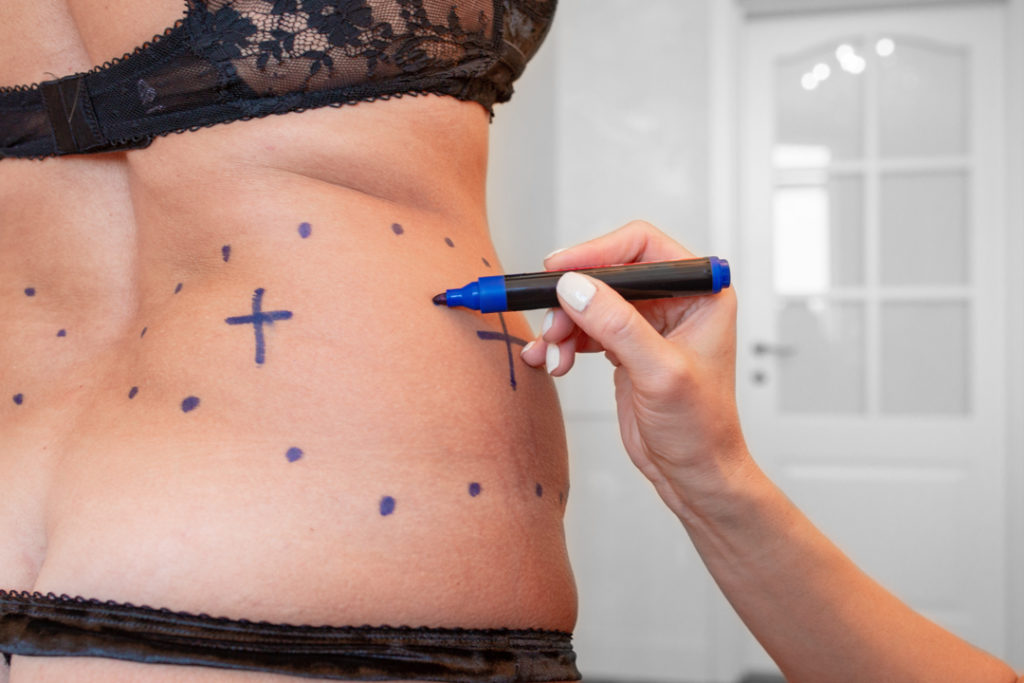
Liposuction is often talked about as a body contouring procedure, but the recovery side is more physical than many people expect. Your body has to handle inflammation, fluid shifts, bruising, soreness, reduced activity, and the basic work of tissue repair. Food will not replace a skilled surgeon or proper aftercare, yet it absolutely affects how you feel in the days and weeks around surgery.
That matters even more in Michigan, where the seasons can change how people eat, drink, and recover. In the winter, I see people underestimate dehydration because they are not sweating in the heat. In the summer, restaurant food, cookouts, and travel can drive sodium up at exactly the wrong time. If you are preparing for liposuction in Michigan, your nutrition plan should support healing without becoming extreme, restrictive, or trendy.
The goal is not to go on a crash diet before surgery. It is to arrive well nourished, well hydrated, and metabolically steady. After surgery, the goal shifts slightly. You want enough protein, enough fluids, enough fiber, and foods that help you manage swelling and constipation while keeping your energy stable.
Why food matters more than most patients expect
Liposuction creates controlled trauma under the skin. Even when everything goes smoothly, your body still responds the way it would to any procedure, with inflammation and a demand for repair materials. Protein provides the amino acids needed for healing. Fluids help circulation and support normal recovery. Vitamins and minerals contribute to collagen formation, immune function, and tissue repair. Carbohydrates give your body readily available energy, which is useful when appetite is lower and movement is limited.
Many patients focus on what they should avoid eating because they worry about weight gain. In practice, the better question is whether the food you are eating makes recovery easier or harder. A few days of poor appetite will not ruin a result, but going into surgery underfed, dehydrated, and relying on takeout can make the first week rougher than it needs to be.
I often tell patients to think less like someone trying to get smaller for a photo and more like someone training for a physically demanding event. Surgery recovery is not the time for juice cleanses, long fasts, or high stimulant weight loss products. Those approaches can leave you lightheaded, constipated, and short on the nutrients your body needs most.
The two weeks before surgery set the tone
The best pre-op diet is usually calm and boring in the best sense of the word. Consistency beats perfection. If you normally skip breakfast, live on coffee until noon, and then have a huge restaurant dinner, surgery is a poor time to keep that pattern. Stable meals help stabilize energy, hydration, and digestion. They also make it easier to notice if something is off.
Protein should show up at every meal. For most adults, that means choosing real, familiar sources rather than relying on bars and powders alone. Chicken, fish, eggs, Greek yogurt, cottage cheese, tofu, beans, lentils, and lean beef can all fit. You do not need a bodybuilder’s intake, but you do want enough. Many patients do well aiming for roughly 20 to 30 grams of protein at a meal, depending on body size and appetite. If you are smaller framed or you eat more frequent meals, the amount per sitting may be less. The principle is steady intake, not force-feeding.
Carbohydrates are useful here, especially those that digest predictably. Oatmeal, rice, potatoes, fruit, whole grain toast, and beans tend to sit well and support energy. Extremely low-carb eating can leave some patients tired and irritable, and that is not ideal heading into surgery. Fat also matters, but rich, greasy meals right before surgery week can worsen reflux or digestive discomfort. Foods such as avocado, olive oil, nuts, seeds, and salmon are usually easier choices.
Micronutrients matter too, though they are best approached through food unless your surgeon tells you otherwise. Citrus, berries, kiwi, bell peppers, leafy greens, sweet potatoes, yogurt, seeds, and legumes contribute vitamin C, potassium, magnesium, zinc, and other nutrients involved in healing. Michigan patients often do better when they actively include produce instead of assuming it will just happen. Cold weather, busy workweeks, and comfort-food habits can shrink vegetable intake without people noticing.
What to eat before liposuction
In the week leading up to surgery, simple meals are often the smartest meals. You want familiar foods that keep your stomach settled and your blood sugar reasonably even.
- Greek yogurt with berries and a spoonful of chia seeds, or eggs with whole grain toast and fruit
- Grilled chicken or salmon with rice or potatoes and a cooked vegetable
- Oatmeal with milk, nut butter, and banana if your appetite feels smaller
- Bean soup, lentil stew, or turkey chili if you want something easy to reheat
- Cottage cheese, apples, crackers, and hummus as light snacks when full meals feel like too much
These are not magic foods. They work because they provide protein, fluids, minerals, and digestible energy without the excess salt and heaviness that often come with restaurant meals.
The last 24 hours before surgery usually call for even more restraint. Follow your surgeon’s fasting instructions exactly. If your office gives a cutoff time for food and liquids, treat it as non-negotiable. Before that cutoff, bland and moderate meals usually serve patients better than celebratory dinners. Pizza, wings, alcohol, and dessert the night before may sound harmless, but I have seen it lead to bloating, thirst, poor sleep, and nausea the next morning.
A word about supplements, shakes, and “healing hacks”
This is where good intentions often drift into risky territory. Patients often assume that if a little vitamin is good, more must be better. That is not a safe assumption around surgery. Some supplements can affect bleeding, blood pressure, sedation, or anesthesia. Fish oil, vitamin E, certain herbal blends, and a long list of “natural” products may need to be stopped before your procedure, depending on your surgeon’s protocol and your medical history.
Protein shakes can be useful, especially if your appetite is low, but they should not become your entire plan. Choose one with a straightforward ingredient list and moderate sugar. Use it to fill a gap, not to replace all food. If you already tolerate a shake well, that is better than buying a trendy powder three days before surgery and hoping for the best.
The same caution applies to detox teas, fat burners, appetite suppressants, and highly caffeinated pre-workout products. They create more problems than they solve. For patients planning liposuction in Michigan, especially during long winter stretches when activity is naturally lower, there can be a temptation to overcompensate with aggressive dieting. That usually backfires.
Hydration in Michigan is easy to underestimate
People tend to think about hydration only in hot weather, but indoor heat, dry winter air, coffee, and low overall water intake can leave you drier than you realize. Mild dehydration can contribute to headaches, constipation, fatigue, and a general sense that recovery is harder than expected.
You do not need to obsess over gallon jugs. What you need is regular fluid intake throughout the day. Water is ideal, but broth, milk, herbal tea, and electrolyte drinks can all contribute. If you Liposuction Michigan dislike plain water in winter, warm options are often easier. Unsweetened tea with lemon, light broth, or warm water with fruit can all help.
A practical sign that you are doing reasonably well is pale yellow urine most of the time. Very dark urine, a dry mouth, or feeling thirsty only after several hours have passed usually means you are playing catch-up.
Excess sodium deserves attention here because it can worsen swelling. You do not need a salt-free diet, but the days before and after surgery are a bad time for frequent restaurant meals, deli-heavy eating, canned soups with lots of sodium, or snack foods like chips and pretzels. If your body tends to hold water easily, a high-salt weekend before surgery can be especially uncomfortable.
The first few days after surgery are about tolerance, not perfection
Appetite after liposuction can be unpredictable. Some patients want normal meals by the evening. Others feel mildly nauseated, tired, or simply uninterested in food for a day or two. Pain medication, antibiotics, and reduced movement can all affect the stomach and bowels.
This is where flexible planning helps. If a full meal sounds unappealing, a smaller protein-focused option is usually better than nothing. A cup of Greek yogurt, scrambled eggs, soup with chicken, cottage cheese with fruit, a protein shake, or toast with peanut butter may go down more easily than a large plate of food.
Post-op nausea changes the game. If your stomach is unsettled, bland foods make sense. Crackers, toast, rice, applesauce, oatmeal, bananas, broth, and simple soups can help you ease back in. Once that settles, move back toward more balanced meals instead of staying on crackers all week.
One thing patients rarely appreciate ahead of time is how common constipation can be after surgery. Anesthesia, pain medication, lower activity, and reduced fluid intake all contribute. It is miserable, and it can make abdominal soreness feel worse. This is one reason fiber and hydration matter so much after liposuction, especially if the abdomen or flanks were treated and you already feel tight or swollen.
What to eat after liposuction
Once your stomach is tolerating food, recovery meals should become steady and practical. Think high protein, moderate fiber, moderate sodium, and plenty of fluids.
- Soft proteins such as eggs, Greek yogurt, cottage cheese, shredded chicken, turkey meatballs, tofu, or flaky fish
- Easy starches like oatmeal, rice, potatoes, whole grain toast, or fruit to keep energy up
- Fiber-rich choices including berries, pears, beans, lentils, cooked vegetables, and prunes if constipation starts
- Soups and stews made at home, where you can control salt better than with takeout
- Fluids throughout the day, including water, broth, and low-sugar electrolyte drinks if intake has been low
Patients often ask about “anti-inflammatory foods.” The idea is reasonable, but it gets oversold online. No blueberry or turmeric latte will cancel out poor sleep, dehydration, and under-eating. Still, foods that generally support recovery include salmon, walnuts, olive oil, leafy greens, berries, beans, and colorful vegetables. They belong in the picture, just not as miracle cures.
Swelling, sodium, and the restaurant problem
Swelling after liposuction is normal. Some of it improves quickly, and some takes weeks or months to settle. Diet will not eliminate that, but it can make a noticeable difference in how puffy and uncomfortable you feel day to day.
The biggest dietary culprit is often sodium, not calories. Restaurant food can be extremely salty, even when it sounds healthy. A grilled chicken salad from a chain restaurant may still come loaded with salty dressing, marinated meat, cheese, and packaged toppings. The same goes for soups, sandwiches, sushi, and rotisserie items. If you are in the early recovery period, home-cooked meals usually give you more control and a more predictable response.
This is one area where Michigan weather and lifestyle can matter. In winter, when roads are messy and it is easy to default to delivery, sodium can quietly shoot up for days in a row. In summer, social eating can have the same effect. Barbecue, chips, takeout after the lake, and drinks on the patio can leave patients feeling significantly more swollen the next morning. You do not have to disappear from your life, but you do need some judgment in those first couple of weeks.
Alcohol and caffeine deserve some common sense
Alcohol is a poor choice immediately before and after surgery. It can worsen dehydration, interfere with sleep quality, and complicate medication use. Your surgeon may give a specific timeline, and that guidance should lead. Even once you are technically cleared, many patients feel better when they wait until they are off prescription pain medication, sleeping normally, and hydrating well.
Caffeine is more nuanced. If you are a regular coffee drinker, a sudden stop can trigger headaches. Moderate intake is usually easier to tolerate than swinging from none to several large coffees. The key is not to use caffeine as a substitute for hydration or real meals. Coffee and an empty stomach is not a great recovery plan.
If you have diabetes, IBS, food allergies, or a history of dieting, your plan needs adjusting
Standard advice does not fit every patient. If you have diabetes, blood sugar stability becomes a central part of your surgery nutrition plan. Long gaps without eating and high-sugar recovery snacks are both risky. If you use insulin or certain medications, your surgeon and prescribing clinician may need to coordinate around fasting instructions.
If you have IBS, choose fiber carefully. Raw cruciferous vegetables, huge salads, and very high-fiber “healthy” foods can worsen bloating and cramping for some people. In those cases, cooked vegetables, oatmeal, ripe fruit, rice, potatoes, yogurt, and gentler legumes may work better than forcing a textbook clean-eating plan.
Food allergies and intolerances obviously need to be respected, but the larger issue is planning ahead so you are not stuck after surgery with nothing you can comfortably eat. Patients who live alone often do best when they stock the fridge before their procedure with two or three breakfast options, two or three easy lunch or dinner options, and a few tolerated snacks.
A history of chronic dieting adds another layer. Liposuction can trigger the urge to “be extra good” before surgery and “make the most of it” afterward. That often turns into under-eating, fear of carbs, and an all-or-nothing mindset. The reality is simpler. Results are supported by stable habits, not punishment. Starving yourself after surgery does not improve healing, and it can leave you weaker, moodier, and more likely to rebound into overeating later.
A realistic day of eating during recovery
What works in real life is usually unglamorous. Breakfast might be oatmeal made with milk, topped with sliced banana and a side of scrambled eggs. Lunch could be chicken soup with extra shredded chicken and a piece of toast. In the afternoon, Greek yogurt with berries might be enough. Dinner could be baked salmon, roasted potatoes, and green beans. If constipation is creeping in, adding prunes, pear, beans, or a fiber supplement approved by your care team can help.
That kind of day supports recovery better than the common alternative, which is coffee in the morning, no lunch because you are resting, crackers with medication, then takeout at night because you are exhausted. One pattern nourishes the body. The other tends to worsen swelling, constipation, and fatigue.
The weeks after surgery are when habits matter most
Once the first week has passed and you start feeling more normal, it is easy to slide back into old routines. This is the point where many patients stop paying attention to fluids, start eating out more, and assume healing is basically done. But the body is still remodeling tissue and settling swelling. Consistency still pays off.
This does not mean your diet has to stay ultra-clean. It means your basics should remain solid. Protein with meals, enough produce to keep digestion moving, Liposuction Michigan moderate sodium, and regular hydration will take you much further than any short-term cleanse. If you are cleared for more movement, food becomes fuel for that too. Walking more, returning to exercise gradually, and sleeping well all work together with nutrition.
For patients searching specifically for advice around Liposuction Michigan, the most practical guidance is this: build your meals around recovery, not around fear. Michigan winters can make people sedentary and dehydrated without realizing it. Michigan summers can make social eating and salty convenience foods more frequent than intended. Neither season requires perfection. They just require awareness.
What your surgeon wants from you, even if they do not phrase it this way
A surgeon does not need you to eat like a wellness influencer. They need you medically ready and reasonably resilient. That usually means you are hydrated, not bingeing on sodium-heavy foods, not arriving undernourished from dieting, and not experimenting with sketchy supplements. After surgery, they want your body able to repair tissue, your digestion functioning, and your swelling managed as well as it can be.
Good recovery nutrition is not dramatic. It is repetitive in a helpful way. Protein appears again and again. Fluids appear again and again. Fiber shows up once your stomach can handle it. Heavy restaurant meals, alcohol, and “cheat day” thinking move to the background for a while.
If you keep that framework in mind, the details become much easier. Eat enough to heal. Drink enough to recover. Keep sodium sensible. Favor familiar foods your stomach tolerates well. And when your specific post-op instructions differ from generic advice, follow your own surgical team. That is the plan most likely to help you feel steadier, heal more comfortably, and get through recovery with fewer avoidable setbacks.
Aesthetic Plastic Surgery & Laser Center, Michelle Hardaway M.D.
27920 Orchard Lake Rd, Farmington Hills, MI 48334, United States
+1 248-221-1957
FAQ About Liposuction Michigan
Is 55 too old for liposuction?
Age 55 alone does not determine suitability. A surgeon evaluates overall health, skin quality, healing risks, and realistic goals. A personal consultation is needed to assess candidacy and discuss alternatives.
What happens 10 years after liposuction?
Contour improvements can last, especially with stable weight. Aging, pregnancy, and weight changes can alter the appearance over time. Results vary, and liposuction does not prevent future body changes.
Can lipo get rid of an apron belly?
Liposuction reduces localized fat but does not remove hanging excess skin. An apron belly may require assessment for a skin-removal procedure instead of, or alongside, fat removal. A qualified plastic surgeon can explain appropriate options and their risks.