What to Expect From Follow-Up Appointments After Liposuction Farmington Hills
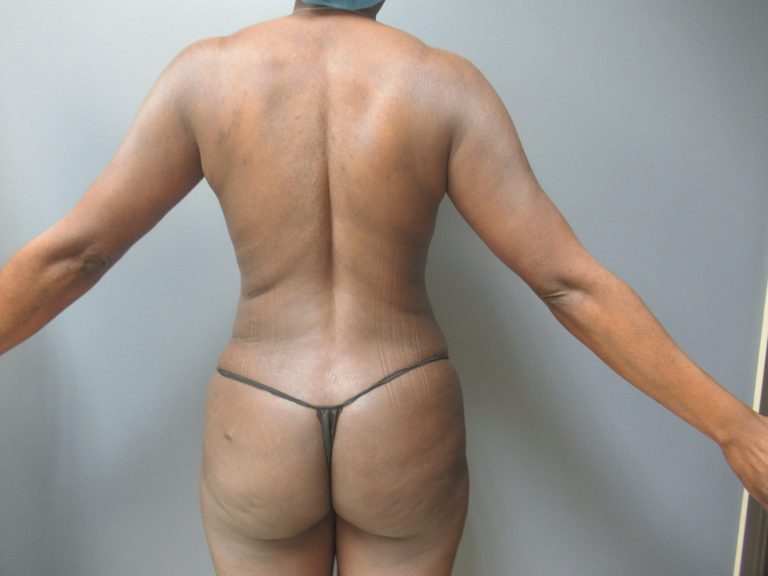
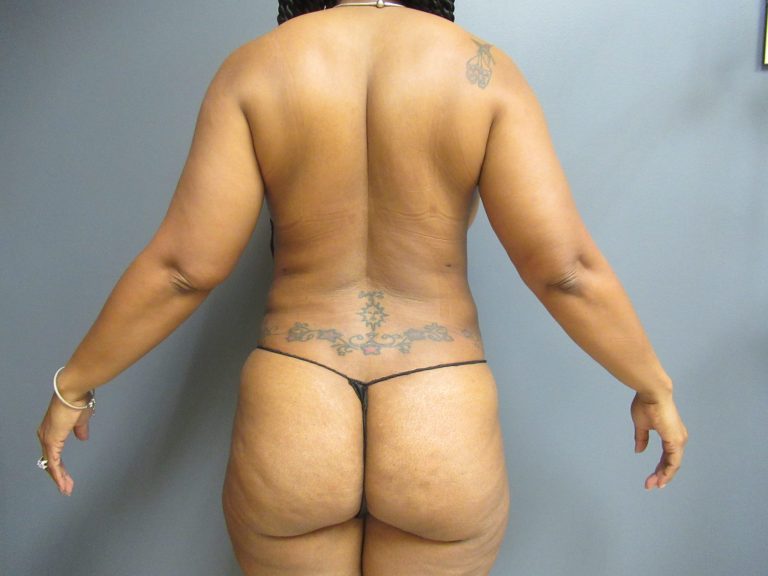
Liposuction recovery is rarely defined by the day of surgery alone. The real shape of the experience, both physically and emotionally, takes form over the weeks that follow. For many patients, the follow-up schedule becomes the part that answers the practical questions they did not fully appreciate beforehand. How much swelling is normal? When should the compression garment feel looser? Why does one side seem to settle faster than the other? When can exercise resume without setting recovery back?
Those questions are exactly why follow-up visits matter. After liposuction, the surgeon is not simply checking a box or taking a quick look at the treated area. These appointments are used to track healing, catch early problems, guide scar and skin care, and help patients understand what is temporary versus what deserves attention. Anyone planning Liposuction Farmington Hills should know that the procedure itself is only one part of the process. The aftercare, especially the follow-up phase, has a direct effect on comfort, confidence, and final results.
Why the follow-up schedule matters more than most patients expect
Patients often go into liposuction focused on the operating room and the first few days at home. That makes sense. Surgery feels like the major event. Yet experienced practices know the postoperative timeline is where a lot of good outcomes are protected. A body that has just gone through liposuction is managing fluid shifts, inflammation, bruising, tenderness, and skin retraction all at once. Even when everything is healing normally, that can look uneven from day to day.
A follow-up appointment gives your surgeon a chance to separate normal recovery from the early signs of a complication. It also gives you a chance to ask the kind of questions that only become relevant once you are living in your results. Many patients are surprised by how often the answers are reassuring. Mild firmness under the skin, temporary numbness, asymmetrical swelling, and delayed softening in certain spots are all common concerns in the first several weeks.
The purpose of these visits is not only medical. They are also educational. Patients who understand the healing timeline tend to recover with less anxiety and better compliance. They are more likely to wear their garments correctly, avoid overactivity, and stay patient during the slow phase when swelling lingers even though the body is improving.
The first visit, early reassurance and a close look at healing
The first postoperative appointment often happens within a few days to a week after surgery, depending on the surgeon’s protocol and the details of the procedure. This visit is usually more practical than dramatic. Most patients are still sore, moving a bit carefully, and trying to get used to swelling, drainage, and compression garments. If liposuction was performed in multiple areas, or combined with another body contouring procedure, fatigue may still be noticeable.
At this first visit, the surgeon or clinical team typically examines the treated areas, checks the incisions, and looks for signs that healing is moving in the right direction. Bruising at this stage is common. Swelling is expected. The skin may feel tight in one area and oddly numb in another. None of that is unusual on its own.
What matters is pattern and severity. Your provider is looking for excessive firmness, unusual redness, warmth, drainage that suggests infection, skin changes that do not look healthy, or localized fluid collections. They are also assessing how you are tolerating pain, whether you are walking enough, and whether the garment fits as intended. Compression that is too loose may not provide adequate support. Compression that is too tight can create pressure points, discomfort, and avoidable irritation.
This first appointment is also where a lot of confusion gets cleared up. Patients often worry because the body does not look smoother right away. In reality, the immediate postoperative appearance can be puffy, lumpy, and misleading. A surgeon who sees this every day can explain what is early swelling versus what will likely settle over time.
What your surgeon is evaluating beneath the surface
From the patient perspective, a follow-up can feel simple. You arrive, the surgical sites are checked, and you head home. From the surgeon’s perspective, a lot is being evaluated in a short window.
One of the main considerations is swelling quality. Not all swelling behaves the same way. Diffuse swelling across a broad area is usually expected. A distinct pocket of fluid may suggest a seroma, which is a collection of fluid under the skin. Small seromas can sometimes resolve with compression and time, while others may need drainage in the office. Catching that early can improve comfort and reduce delays in healing.
Skin adherence is another important issue. After fat removal, the overlying skin needs time to contract and settle against the new contour. Areas such as the lower abdomen, flanks, inner thighs, upper arms, and under the chin all heal a bit differently. Skin quality, age, smoking history, sun damage, and the amount of fat removed can all affect how smoothly the tissue contracts.
The surgeon is also paying attention to contour symmetry. It is very early to judge final Liposuction Farmington HIlls results at the first or second follow-up, but there are still clues worth noting. Is one side consistently more swollen? Is there a firm ridge developing that needs massage guidance or closer observation? Are there pressure marks from the garment that could create temporary unevenness? These details matter.
Compression garments, one of the most common topics at follow-up
Almost every liposuction patient has questions about compression. The garment can be annoying, restrictive, and uncomfortable in ways patients do not always anticipate. It bunches when sitting. It may feel tolerable in the morning and maddening by evening. Some patients feel more secure in it, while others count the days until they can stop wearing it.
At follow-up appointments, garment use is usually reviewed in very specific terms. Your surgeon may adjust how many hours a day you need to wear it, whether you can transition to a different stage garment, or whether extra foam support is useful in certain areas. These instructions are not one-size-fits-all. A patient who had a small amount of liposuction under local anesthesia may have different compression needs than someone who had larger volume contouring of the abdomen, flanks, and back.
There is also an art to fit. A garment should support healing tissue without cutting into the skin. If a patient develops horizontal lines or very tender pressure spots, the issue may not be healing itself but the way the garment sits on the body. This is one reason in-person follow-up matters. A surgeon or nurse can often spot a fit problem quickly and save the patient a week of unnecessary discomfort.
The second phase of follow-up, when swelling becomes the main story
Around the second to sixth week, the tone of follow-up appointments changes. Immediate postoperative concerns begin to settle, and the larger conversation becomes about swelling, firmness, and gradual contour refinement. This is often the stage when patients become impatient.
They may say that one side still feels hard. They may notice that clothes fit better, but the mirror does not yet show the definition they expected. Some report that they feel “more swollen at night” or that they look tighter after a walk. Those observations are common and often accurate. Swelling tends to fluctuate with activity, heat, sodium intake, hormones, and time of day.
This phase is where expectation management becomes crucial. Liposuction is not like getting a haircut, where the result appears the same day. The body is remodeling tissue over many weeks. Some improvements show early, especially reduced fullness in treated areas. Other refinements take two to three months to become obvious, and final settling may continue longer, especially in fibrous areas such as the upper abdomen, flanks, chest, or back.
A good follow-up visit during this phase usually includes honest guidance. If the recovery looks typical, the surgeon will say so. If a patient is overdoing activity too soon, that should be addressed directly. If there is an area of scar tissue or firmness that may benefit from massage, lymphatic drainage guidance, or simply more time, this is often when that plan is discussed.
Questions patients ask most often, and why they come up
Patients recovering from Liposuction Farmington Hills tend to ask practical questions rather than abstract ones. They want to know when they can sleep on their side again, whether they can travel, why the lower abdomen is still numb, or whether a hard knot means something went wrong. These are not trivial concerns. They affect daily life.
One common question is whether lumps and bumps are normal. Early on, some uneven texture is expected. Tissue can feel firm, ropey, or irregular while swelling and internal healing are still active. That does not automatically mean the final result will be uneven. The timing matters. A contour concern at ten days means something very different than a contour concern at six months.
Another common question is when exercise can resume. Most surgeons encourage light walking early, because movement supports circulation and reduces stiffness. More strenuous exercise, core work, lower body training, or impact activity usually returns gradually and according to the details of the case. Patients who push too hard too early often notice increased swelling and soreness. That does not always create permanent harm, but it can make recovery more uncomfortable and confusing.
Patients also ask when they can judge the result. The most helpful answer is that recovery happens in layers. You may see an initial change once some swelling comes down, then a frustrating plateau, then a more satisfying refinement later. That nonlinear pattern is normal.
When follow-up includes drainage, massage advice, or scar care
Not every liposuction follow-up is just a visual check. Some visits involve active management. If a small fluid collection is present, your surgeon may recommend observation or office drainage. If tissue feels unusually firm, you may be instructed on gentle massage or referred for postoperative lymphatic massage if your surgeon believes it fits your case. Not every patient needs that, and not every practice recommends it routinely, but it can be part of the discussion.
Scar care is usually straightforward because liposuction incisions are small. Even so, the way they heal can vary depending on skin type, location, tension, and how well the area is protected from irritation. Follow-up visits are where these small details get handled before they become bigger cosmetic concerns. A patient may be told when they can begin silicone-based scar care, when to avoid sun exposure on healing marks, or how to prevent rubbing from garments.
This stage often reveals the value of choosing a practice that does not rush postoperative care. Most complications are easier to manage when they are identified early, and many worries are easier to calm when someone experienced can explain what the body is doing.
Red flags that should come up before your next scheduled visit
Most recoveries progress without major problems, but patients should never feel they have to wait in silence if something seems off. A well-run surgical practice wants to hear from you when symptoms change in a way that is not expected.
Here are a few reasons to call sooner rather than later:
- Fever, spreading redness, or worsening warmth around an incision
- Sudden one-sided swelling that is significantly different from before
- Shortness of breath, chest pain, or calf pain
- Drainage that becomes foul-smelling or looks increasingly concerning
- Pain that sharply worsens instead of gradually improving
These symptoms do not always mean a serious complication is present, but they should be evaluated promptly. A patient who calls early is not being dramatic. They are doing exactly what safe postoperative care requires.
The emotional side of follow-up, which is more significant than many realize
There is a part of liposuction recovery that does not show up on a discharge sheet. Patients often have an emotional dip after surgery, especially once the excitement of getting the procedure gives way to swelling, soreness, limited activity, and uncertain mirror checks. This is common, even among patients who prepared well.
Follow-up appointments can stabilize that experience. A surgeon who explains that your swelling pattern is typical, or that firmness in the lower abdomen is expected at this stage, can reset the emotional temperature immediately. I have seen patients come into a visit convinced their result was failing, only to leave relieved once they understood the normal sequence of healing.
That reassurance is not empty encouragement. It is based on pattern recognition. Surgeons and postoperative nurses have seen hundreds or thousands of recoveries. They know that day twelve often looks worse than day seven in some areas. They know that bruises migrate, swelling settles unevenly, and numbness can last longer than patients expect. Good follow-up care puts those experiences in context.
Longer-term visits, when results begin to read more clearly
The later follow-up appointments, often around the three-month mark and beyond, feel different from the early checks. By then, much of the bruising is gone, tenderness is reduced, and the patient has resumed a more normal routine. Swelling may still be present, especially by evening or after exercise, but the contour is more readable.
This is usually when the conversation shifts toward outcome rather than immediate healing. Does the treated area look proportionate? Has the skin contracted well? Are there any zones of persistent irregularity that need more time, more observation, or future discussion? Sometimes the answer is simple patience. Tissue can continue to soften and settle over several months. In other cases, a surgeon may identify a concern that merits continued monitoring.
It is important for patients to understand that perfection is not the standard. Human bodies are not perfectly symmetrical before surgery, and they are not perfectly symmetrical after surgery either. The goal is meaningful improvement, better proportion, and a result that looks natural in motion and in clothing, not just while standing still under bright bathroom lighting.
How to get more from each appointment
Patients often arrive at follow-up visits remembering only half of what they meant to ask. That is understandable. Recovery can be tiring, and it is easy to lose track of symptoms or changes once the day gets busy. A little preparation makes these visits much more useful.
The best approach is simple:
- Keep a short note on your phone with questions as they arise
- Take photos every week in similar lighting so changes are easier to track
- Wear or bring the compression garment you are actually using
- Mention any supplements, workouts, or home remedies you started after surgery
- Be specific about changes in swelling, pain, or numbness rather than saying it “feels weird”
That last point matters more than people think. Surgeons make better decisions when symptoms are described clearly. Saying “the left flank feels firmer by evening and softens overnight” is more helpful than “it seems off.” Specifics create a better clinical picture.
What distinguishes a routine recovery from a concerning one
A routine liposuction recovery is rarely smooth in the everyday sense of the word. It can involve bruising that changes color for two weeks, swelling that worsens after activity, patches of numbness, and tissue firmness that hangs around longer than expected. All of that can still fall within normal healing.
A concerning recovery usually has a different pattern. Symptoms escalate instead of gradually calming. The patient becomes more limited rather than more comfortable. The skin changes in ways that look unhealthy. Pain becomes sharper, more localized, or more intense instead of easing. A good follow-up program is designed to detect those patterns early.
For patients seeking Liposuction Farmington Hills, this is one of the strongest reasons to prioritize a practice with clear postoperative communication. The operation itself may take a few hours. Recovery guidance unfolds over weeks and sometimes months. When questions arise, access matters.
The practical takeaway for patients planning ahead
It helps to think of follow-up appointments not as optional checkpoints, but as part of the treatment itself. These visits protect healing, refine aftercare, and keep normal recovery from becoming a source of unnecessary stress. They also create a space for honest conversations about timing, limitations, and outcomes.
Patients who do best after liposuction are not always the ones with the easiest surgery. They are often the ones who stay engaged with aftercare, speak up when something changes, and let the process unfold at a realistic pace. Healing after liposuction rewards patience more than speed.
If you are considering Liposuction Farmington Hills, ask about the follow-up schedule before surgery, not after. Find out when you will be seen, who handles urgent questions, how garment issues are addressed, and what signs should prompt an earlier call. Those details may seem small when you are focused on the procedure itself, but they become very important once recovery begins. A strong follow-up plan does not just support safety. It often shapes the quality of the result you ultimately enjoy.
Aesthetic Plastic Surgery & Laser Center, Michelle Hardaway M.D.
27920 Orchard Lake Rd
Farmington Hills, MI 48334
(248) 221-1957
FAQ About Liposuction Farmington Hills
What disqualifies you from getting liposuction in Farmington Hills?
A surgeon may recommend postponing or avoiding liposuction if a health condition, medication, or nicotine use raises the risk of surgery or poor healing. A consultation is needed to assess your medical history and whether the procedure fits your goals.
Can liposuction remove 20 pounds?
Liposuction is a body contouring procedure for localized fat. It is not a weight loss treatment, and a specific number of pounds is not a safe or useful target. The surgeon determines how much can be removed safely for each patient.
What are the risks of liposuction?
Risks include infection, changes in sensation, uneven contours, and complications from anesthesia or blood clots. A plastic surgeon can explain which risks apply to you and what to expect during recovery.